
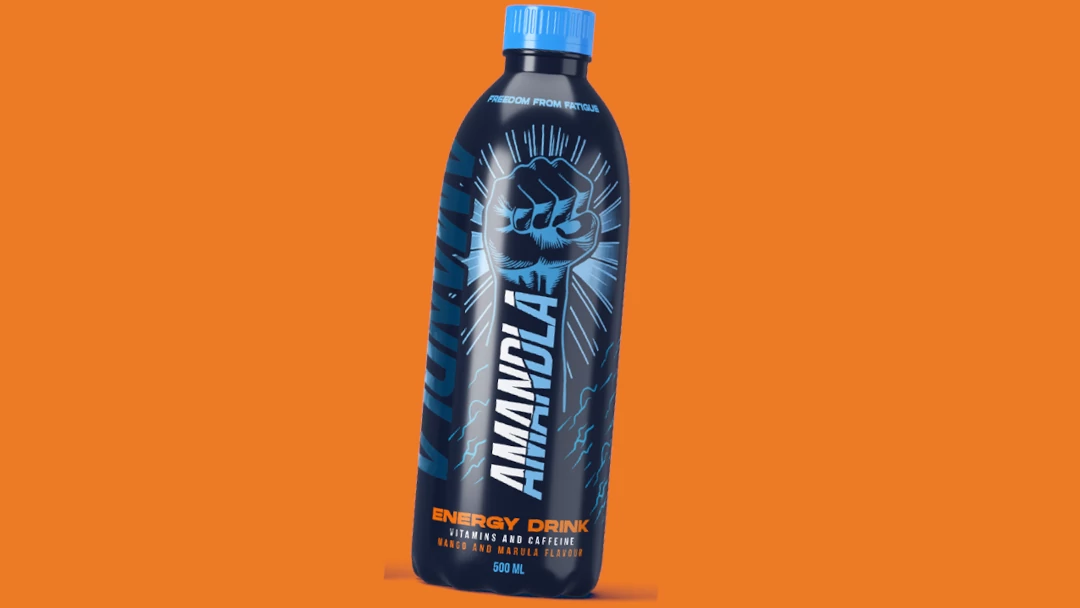
Energy drinks have become a staple for many seeking a quick boost of energy, whether it's to power through a late-night study session, enhance athletic performance, or simply stay awake during a long day. However, not all energy drinks are created equal. The ingredients, effects, and quality standards can vary significantly from one brand to another. Let's explore the key differences and what you should know before grabbing your next can.
The Ingredients: More Than Just Caffeine
While caffeine is the most well-known ingredient in energy drinks, it's far from the only one. Most energy drinks contain a mix of caffeine, sugars, amino acids, and herbal extracts. Here's a closer look at some common ingredients:
Caffeine: The primary stimulant in energy drinks, caffeine content can range from 70 to 240 mg per serving1. For comparison, a typical 8-ounce cup of coffee contains about 95 mg of caffeine2. While caffeine can improve alertness and concentration, excessive intake can lead to side effects like anxiety, insomnia, and heart palpitations2.
Sugars: Many energy drinks are loaded with sugars, which provide a quick energy boost but can also lead to a crash later on. High sugar intake is associated with various health issues, including obesity, diabetes, and tooth decay2.
Amino Acids: Ingredients like taurine and carnitine are often included for their potential benefits on muscle function and energy metabolism1. However, the actual benefits of these amino acids in the context of energy drinks are still debated.
Herbal Extracts: Ginseng, guarana, and other herbal extracts are commonly added for their supposed energy-boosting properties. Guarana, for instance, is another source of caffeine1. While these extracts can have health benefits, their effects can be amplified when combined with caffeine, potentially leading to adverse reactions2.
The Effects: Short-Term Boost vs. Long-Term Health
Energy drinks can provide a quick boost in energy and mental alertness, making them popular among students, athletes, and busy professionals. However, the long-term health effects of regular energy drink consumption are concerning:
Immediate Effects: The combination of caffeine and sugar can enhance physical endurance and improve reaction times1. This makes energy drinks appealing for short-term tasks that require heightened focus and energy.
Health Risks: Regular consumption of energy drinks has been linked to various health issues, including heart problems, high blood pressure, and mental health concerns like anxiety and depression2. The high caffeine content can also lead to dependency and withdrawal symptoms1.
Mixing with Alcohol: A significant number of energy drink-related emergency room visits involve mixing these beverages with alcohol1. This combination can mask the depressant effects of alcohol, leading to increased risk-taking behaviors and alcohol poisoning1.
Quality Standards: Ensuring Safety and Transparency
The quality and safety of energy drinks are regulated by various national and international standards. However, these regulations can vary widely:
Labeling and Marketing: Organizations like the International Council of Beverages Associations (ICBA) have developed guidelines for the composition, labeling, and responsible marketing of energy drinks3. These guidelines aim to ensure that energy drinks are safe for consumption and that their marketing practices do not target vulnerable populations like children3.
Ingredient Transparency: Not all energy drinks disclose the exact amounts of their ingredients, particularly caffeine1. This lack of transparency can make it difficult for consumers to make informed choices about their consumption.
Voluntary Guidelines: Many energy drink manufacturers adhere to voluntary guidelines that go beyond legal requirements. These guidelines often include commitments to not market energy drinks to children and to clearly label caffeine content4.
Conclusion: Making Informed Choices
While energy drinks can offer a quick energy boost, it's essential to be aware of their ingredients, potential health effects, and the quality standards they adhere to. Not all energy drinks are created equal, and understanding these differences can help you make more informed choices about your consumption.
If you rely on energy drinks, consider moderating your intake and exploring healthier alternatives like regular exercise, balanced nutrition, and adequate sleep. Remember, the best way to maintain energy levels is through a healthy lifestyle, not just a quick fix from a can.